Nicholas Taleb’s book “The Black Swan” was on the NY Times bestseller list for unexpected (ha!) 36 weeks. The book deals with the hubris of predictions: we expect all swans to be white and are shocked when a black swan swims by.
The Black swans are high impact, highly improbable crises.
“Consider a turkey that is fed every day… Every single feeding will firm up the bird’s belief that it is the general rule of life to be fed every day by friendly members of the human race ‘looking out for its best interests,’ as a politician would say… On the afternoon of the Wednesday before Thanksgiving, something unexpected will happen to the turkey. It will incur a revision of belief.” (N. Taleb)
The insights the book provided were as challenging as they were insightful. The book’s key premise is that you can’t prepare for what you can’t expect. But that only so so useful — by definition, black swans are improbable and unpredictable.
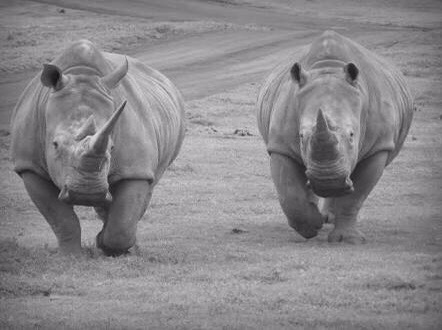
However, not all high impact events are black swans. Some are (Michelle Wucker’s) grey rhinos.
Grey rhinos are high impact, highly probable events. Unlike black swans, grey rhinos are not random, they come charging at you after a series of warnings and visible evidence. This makes them much easier to spot, but the “size and obviousness of these problematic pachyderms is also part of what makes us so bad at responding to gray rhinos.” Grey rhinos are often the elephant in the room, apparent to everyone, but uncomfortable to acknowledge.
Grey rhinos have entered the vernacular most recently after the Chinese newspaper, The People’s Daily, warned about them in a front page article: “[We] need to prevent both ‘black swans’ and ‘grey rhinos,’ …[W]e cannot play down or ignore small signs of any types of risks.” (The Chinese stock market dropped about 5 per cent after these statements were made.) The grey rhinos China is worried about include debt, money supply and governance.
Australia has a few (probably many) grey rhinos of its own.
- Our ageing population — if current trends continue, the number of persons aged over 65 will be near 20 per cent by 2030; the dependency ratio (the ratio of youths and olds being supported by the working age population) will have increased to 56 per cent (up from 50 per cent today); and the labour force participation rate will have dropped.
- Rising debt and house prices — household debt has risen to 100 per cent of GDP, well ahead of other advanced economies. The RBA has repeatedly warned that rising levels of household debt and slowing wages growth mean some consumers could struggle to meet mortgage repayments when interest rates start rising.
- Cyber security — malicious cyber activity is on the rise and becoming ever-more sophisticated. More than 430 million new unique pieces of malware were discovered in 2015, up 36 per cent from the year before. However, only one in every four firms is investing in cyber security technologies.
- Popularist protectionism — a number of overseas elections have been won (or lost) by appealing to those cohorts left behind by globalisation and technology. This has led to an overcorrection in some spheres in an effort to safeguard incumbent positions. DFAT released a report during the week that showed a 2 per cent hit to GDP, the loss of more than a quarter of a million jobs and a fall in real wages should the rest of the world continue to shift towards greater trade protectionism.
Wucker gives some advice for how to prepare for grey rhinos and the problems they create. She says, stay down wind, create an action plan and above all, don’t stand still — standing still is a sure way to get yourself trampled.
Post script: Extending the perfect metaphor, the collective noun for a group of rhinoceroses is a “crash”.
 TALES FROM THE LONG TAIL
Leave a comment